
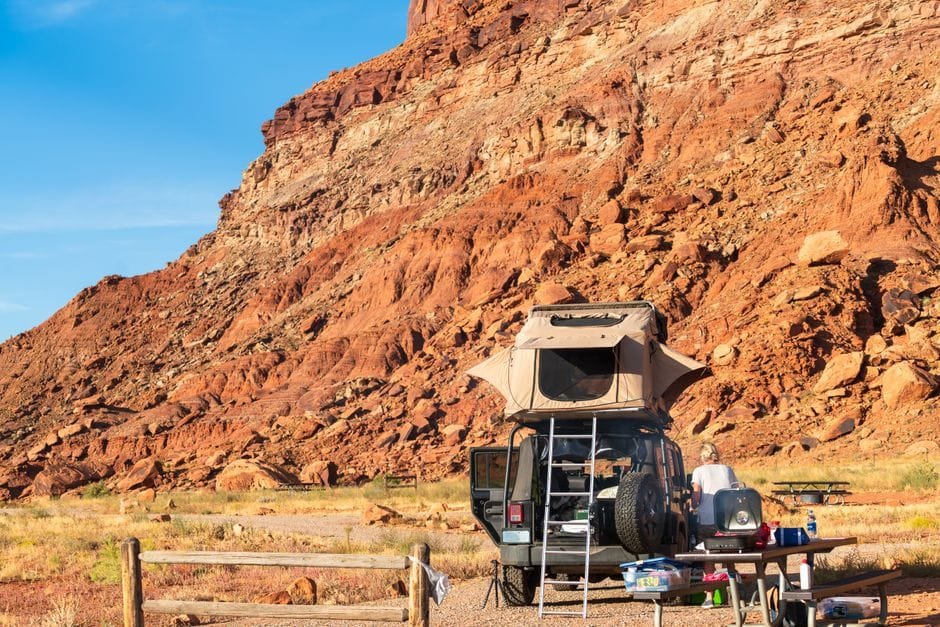
Your modular camping kit shouldn’t feel like a puzzle with missing pieces. Start with a light, customizable base you can swap as trips change, then add a proven mug and a few smart add-ons. Think of it like a clean IT build: everything has a slot, cables tucked, easy to upgrade without reformatting your life.
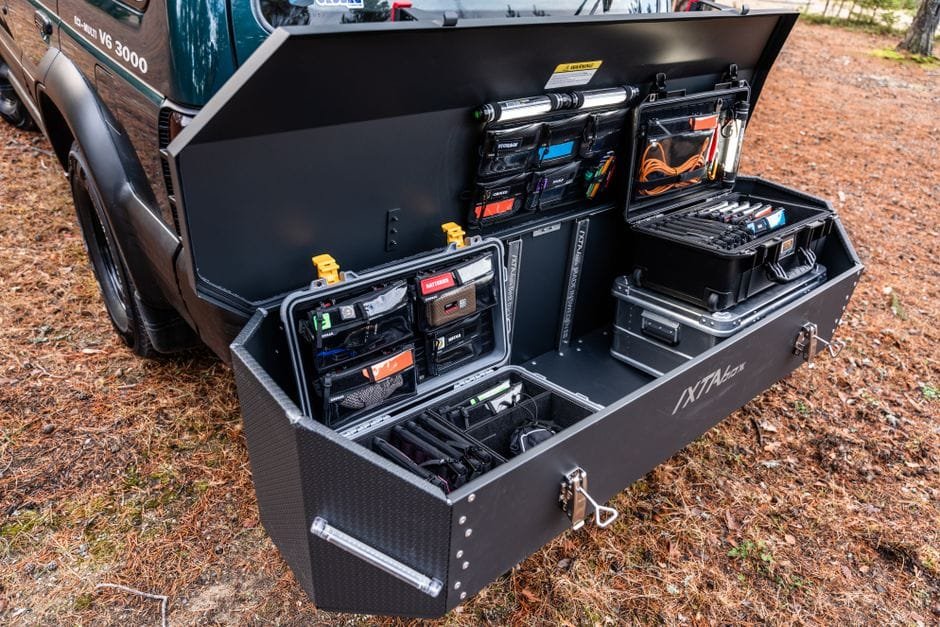
Start with a Modular Camper Interior
The anchor is a made-to-fit overland-camper interior. This new customizable approach from Tune shows how you can kit a truck bed with modular drawers, platforms, and mounts that match your actual gear. You keep weight under control, you keep access clean, and you don’t waste space on one-size-fits-none boxes.
Why it works: modular interiors behave like server racks. Slide in sleep, cook, or storage modules depending on the mission. Weekend surf run? Load the short drawer and a thin platform. Multi-day mountain loop? Swap in the pantry unit, bolt in the fridge zone, and still have room for recovery gear. Less rummaging, more resting. Sobrang worth it.
If you’re in a sedan or small SUV, steal the principle. Use stackable crates with dividers and quick-release straps. Label like a sysadmin: Cook, Sleep, Tools, Power. Color code. You’ll break camp faster than your coffee cools.
Lock in One Ultralight Kitchen Staple
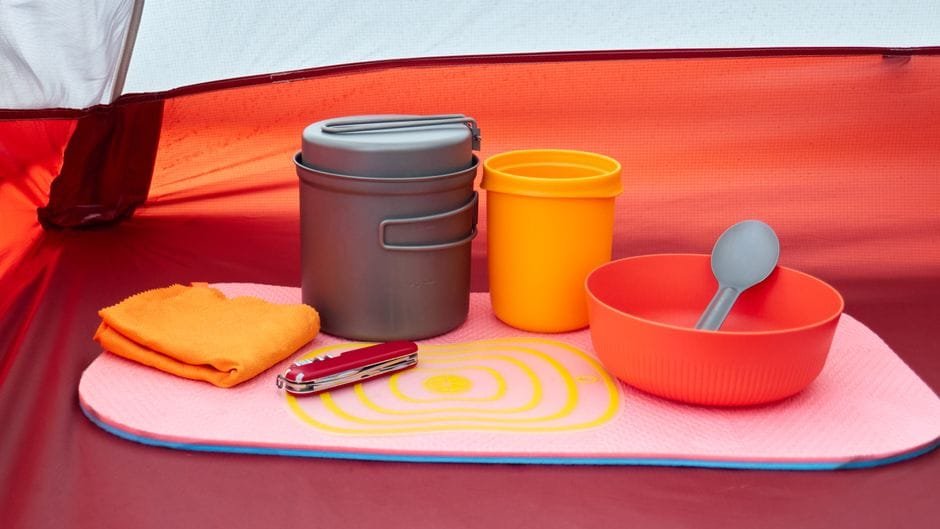
Your mug is the command line for camp. Skip the finicky stuff and go with a field-proven ultralight that survives real abuse. This long-term review of the GSI Infinity-style backpacking mug makes a strong case: it’s light, affordable, and it lasts. Heat your drinks, sip noodles, measure water, even protect a small filter inside during transit. One piece, many roles, no drama.
Bonus for students pulling all-nighters or WFH folks: it also lives happily on a desk. You get one object that spans daily life and weekends. Tipid na, masaya pa.
Layer Smart 2026 Accessories
Once the base and mug are set, add a few brains. Recent emerging-gear roundups spotlight items that make a small kit feel bigger than it is.
First, visibility. A “smart” running vest with integrated lighting or sensors helps on dark camp chores or quick jogs to the viewpoint. It replaces a headlamp for camp tasks and makes night walks less sketchy.
Second, power that plays nice. Consider a charger or power bank designed for sharing. Dual-purpose power means you can top up a friend’s phone without cannibalizing your navigation device. Set a simple rule: nav gets priority port, everything else uses overflow.
Third, everyday shades with trail manners. If you’re driving gravel, hiking a ridge, or cooking over a bright stove, protective eyewear that’s built for abuse pays for itself the first time you drop it. Keep it in a hard case in your drawer module so it doesn’t wander.
Why a Modular Camping Kit Beats a Heavy Rig
Heavy kits make you pack for your fears. Modular kits make you pack for your plan. Because each box has a job, you avoid duplicates. You can also run a budget setup now and upgrade one module later. Think “starter rack” vs “creator build” in PC terms. Same skeleton, better cards over time.
On weight: give yourself a budget, like a sprint capacity. If the sleep platform and drawer are non-negotiable, cut mass from cookware and soft goods. That proven mug replaces two or three items. A smart vest replaces a spare lantern. A shareable power bank replaces a tangle of adapters. Less gear, more capability.
Modular Camping Kit: Quick Setup Tips
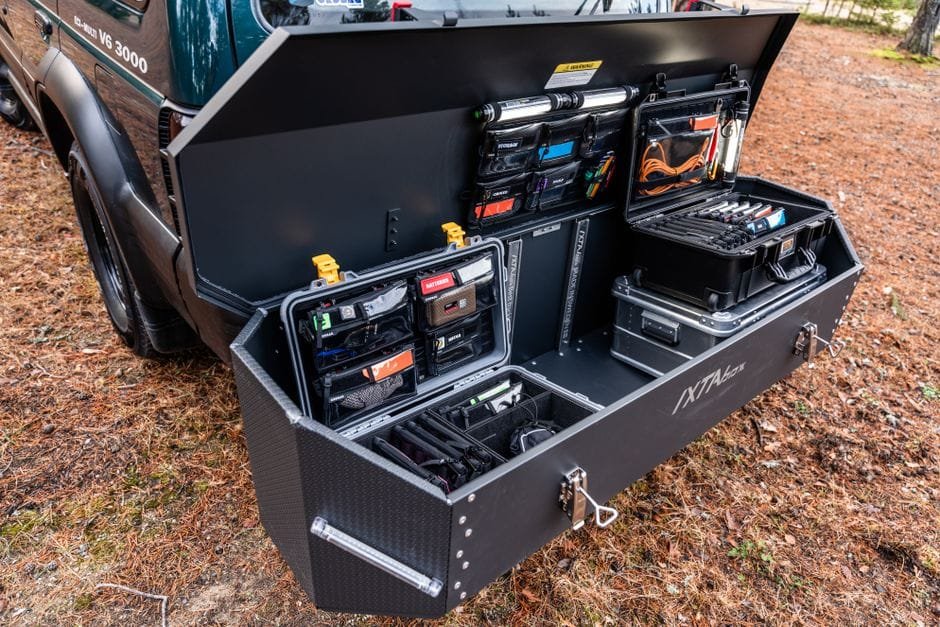
Mount what you touch daily at waist level. Pack noisy stuff together (metal on metal) so it doesn’t wake the barangay at 2 a.m. Back up mission-critical items with a tiny analog: paper map in the lid, mini lighter taped under the drawer, spare cash in the mug.
Sources and Further Reading
– Tune Drops Customizable Interiors for Its Overland Campers
– Backpackers: 10 Years of Abuse Prove This Is the Only Coffee Mug You Need
– Emerging Gear: Smart Vest, Shareable Charger, and More
Disclaimer: Gear details and availability can change. Check official pages for specs, pricing, and current offers.