
AI Philippines 2026 isn’t sci-fi anymore. AI smartphones are selling out, the PH is teaming with Japan to build disaster analytics, and satellites are helping trace quake damage in Mindanao. That combo means your next trip can be safer and smoother—if you set things up right.

Why AI Philippines 2026 matters when you travel
When a new AI flagship sells out locally, that’s a signal: on-phone intelligence is mainstream. You want your daily driver to help with photos, notes, and directions even when you’re sleep-deprived on a night bus. And if you’re hiking or road-tripping during typhoon season, you want fast, trustworthy alerts. The tech stack forming around us—AI phones, government analytics, and satellite mapping—makes that possible.
Here’s the practical lens: don’t chase buzzwords. Choose tools you’ll actually use on the road. Think battery life over flashy demos, privacy controls over gimmicks, and features that still work with spotty data. If you’re eyeing a new AI phone, check the official page for full specs and policies before you buy.
From lab to lifeline: disaster analytics and satellite maps
The Department of Science and Technology is working with a Japan agency to strengthen an AI ecosystem for disaster risk analytics. That matters because smarter models can help assess hazards, prioritize areas that need help, and inform public advisories faster. For travelers, students on field work, or families doing weekend drives, better analytics means better decisions.
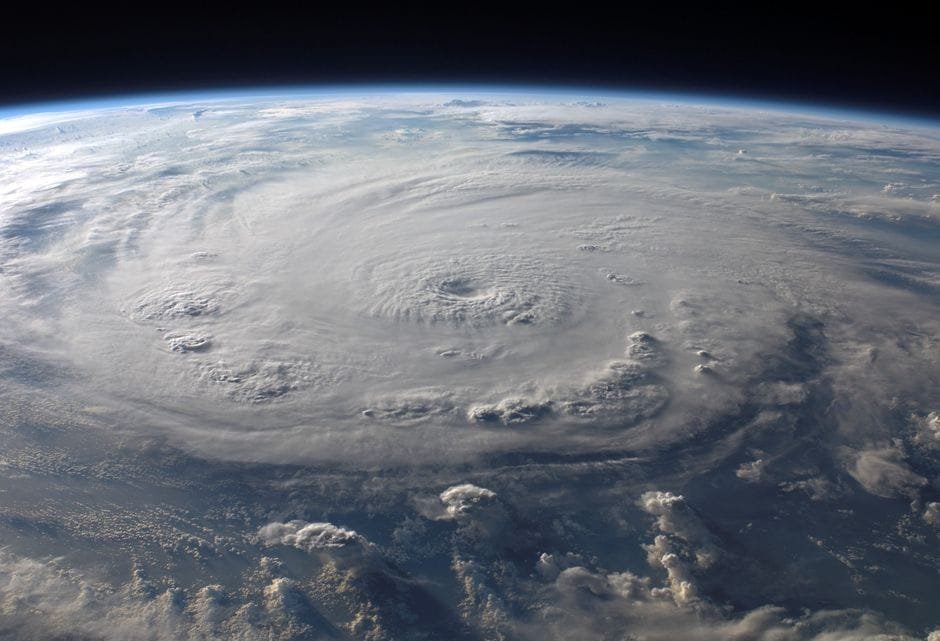
Satellite data already proved its worth after the Mindanao quake by helping trace damage and recovery. Overhead views can reveal blocked roads and impacted zones quicker than ground reports alone, which means relief can reach people sooner and you can plan routes more safely. Use these as guides, not gospel—conditions change, so cross-check with official advisories before you head out.
What to actually use right now
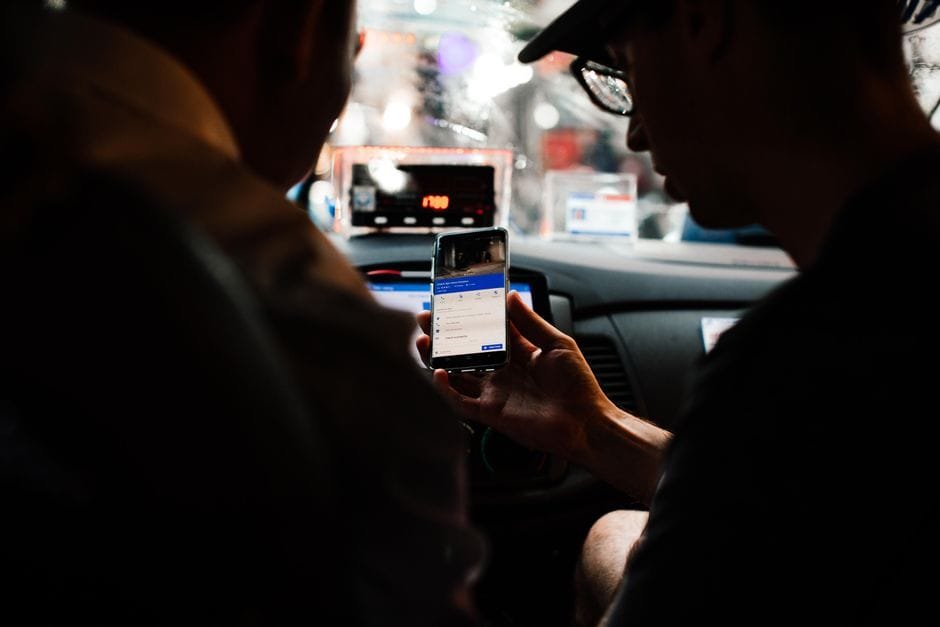
Keep it simple. On your AI phone, set up offline maps for your destination and pin safe spots like hospitals or municipal halls. Save local hotlines. Enable any built-in emergency sharing features (check your phone’s manual and privacy settings). Pack a decent power bank. And follow verified channels for weather and quake updates. Sobrang worth it to prepare once than panic later.
| Tool/Device | Best For | Budget Level | Caution |
|---|---|---|---|
| AI smartphone | Everyday travel help and quick info on the go | Mid–High | Confirm privacy settings; check official page for full specs |
| AI disaster analytics (PH–Japan effort) | Faster risk insights that inform advisories | Public sector | Rely on official announcements, not early rumors |
| Satellite damage/mapping updates | Awareness of impacted areas after quakes | Often public | Use as guide only; verify local conditions |
Buying now vs waiting a bit
If your current phone still holds a charge through a travel day and your apps run fine, you can wait. Prices tend to stabilize, and you’ll see which AI features people actually use. But if you work in the field, create content on trips, or handle family logistics, an AI phone can save time today—summarizing notes, cleaning up photos faster, and helping you stay organized. Tipid na, masaya pa if you choose something that lasts three years.
AI won’t replace common sense, a whistle, or a good headlamp. It does make information travel faster—from satellites to analysts to your screen—which means you can move smarter. Use it as a helper, not a crutch, and your 2026 trips should feel a little safer and a lot less stressful.
Sources and Further Reading
- HONOR 600 Pro sells out in PH as demand for new AI flagship surges
- DOST partners with Japan agency for AI disaster analytics
- Satellite data help trace Mindanao quake damage, recovery
Disclaimer: Info, features, and policies can change. Always check official pages and local advisories before you travel or buy.