
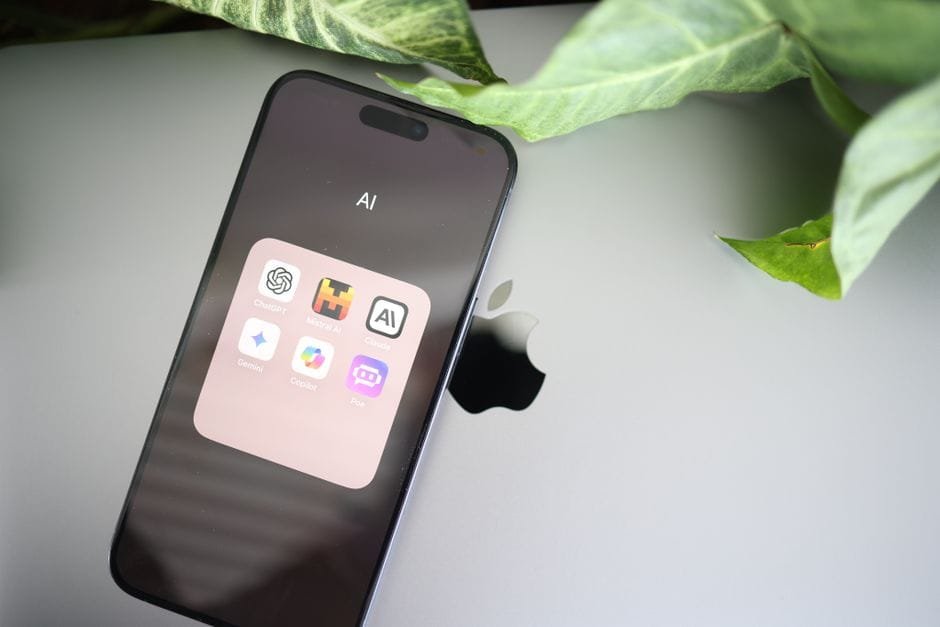
AI is finally showing up where people actually live: inside the apps we open before coffee. That’s exciting. It’s also risky. AI empathy Philippines isn’t a buzzphrase here; it’s a survival rule. If a feature can’t show care (malasakit) and prove it won’t bail when we need it, users bounce.
Case in point: Spotify added a conversational AI for Premium users. And on the reliability side, BPI restored its app and online banking after an outage. Together, they form a simple rule for 2026: helpful AI plus steady service equals trust. Miss either, and people remember.
Spotify’s conversational assistant: helpful, but earn it
Spotify is a daily habit for commuters, students pulling all-nighters, and anyone who needs focus. A conversational assistant inside the app for Premium users sounds great. You can ask for music in plain language and expect the app to respond. Less tapping, more listening.
But trust depends on how it behaves in small moments. Does it understand vague requests? Can it recover when it misunderstands? Will it push random picks, or will it learn your vibe without getting creepy? The tech only lands if it feels like a friend who gets you, not a chatbot that needs babysitting.
Two non-negotiables matter for Filipino users. First, clarity. Say what the assistant can and can’t do, in simple language. Second, control. Make opt-ins obvious and let people mute or reset suggestions fast. We value convenience, yes, but not at the cost of control. Sobrang worth it when an app keeps you in the loop.
For practical use: try the assistant on low-stakes stuff first. Ask for a focus playlist, a rainy-day mix, or OPM throwbacks. See how it handles. If it nails your taste, graduate it to workouts or road trips. Keep downloads on for your must-play lists. If the assistant goes weird mid-ride, you still have music offline.
BPI’s outage recovery: reliability talks louder than features
Banking apps are zero-drama apps. We don’t want them to surprise us. A recent BPI outage reminded everyone how fragile trust can feel. The bank restored services after the incident, which matters more than any trendy feature. For banking, recovery and communication win hearts.
Here’s the lesson for any AI-enhanced service: resilience is UX. People judge you by how fast you stabilize and how clearly you speak during problems. Status updates reduce panic. Clear timelines reduce rumor. Honest tone builds credibility. Even non-banking apps should copy this playbook. If you ship AI features, ship a comms plan too.
What can regular users do? Keep two ways to pay when you head out. Mobile wallet plus one card works well. Save hotline numbers and bookmark status pages. Screenshot key receipts after big transfers. These are boring habits. They also save you during weird days.

AI empathy Philippines: what trust looks like
We talk about empathy in tech like it’s fluff. It isn’t. The Philippine lens is practical: empathy feels like malasakit. It shows up as design choices that respect context, time, and load. The culture piece matters, as Inquirer’s take on empathy and AI points out. People trust tools that feel human in the right way.
For AI inside everyday apps, empathy looks like three habits. First, transparency by default. Tell users what the assistant listens to, and why. Keep the language plain. Second, graceful failure. When the model is unsure, ask a follow-up or fall back to something safe. Third, fast exits. One tap to stop, silence, or switch back to manual controls. Those details turn curiosity into loyalty.
What an IT person would actually set up
Let’s get nerdy but useful. For students grinding through deadlines, pin your essential offline tools. Download the playlists that keep your brain awake. Cache your notes. Keep a backup browser profile in case extensions break. You want fewer surprises at 2 a.m.
For budget travelers, think redundancy. Maintain two playlists for long rides: one dynamic via the assistant and one old-school manual list. Save bank and wallet support pages offline. Keep a small stash of cash for areas with weak signal. Tipid na, masaya pa when your plan keeps working even without data.
For creators, experiment with AI assistants during pre-production, not live sessions. Test prompts that match your brand tone and energy. Log what works. If the assistant starts pushing content that feels off-brand, pause and retrain your approach. Reliability is part of your identity, not just your uptime.
If you build apps, earn trust like this
Adopt AI because it reduces friction, not because a deck asked for it. Ship features that remove real user pain. Keep the first run simple and opt-in. Explain data use in one short screen. Give people a private mode that actually feels private. Offer a clear switch to manual; don’t bury it two layers down.
Design failure paths on day one. When the AI assistant feels unsure, return small batches, ask clarifying questions, or revert to proven defaults. Show a quick “Why this?” line so users see cause and effect. Pair the assistant with a visible status page. During hiccups, keep updates short, time-stamped, and specific. That calm voice during stress is your brand.
Finally, measure trust, not just clicks. Track repeat use after errors, opt-out rates, and help-center searches after AI interactions. If people keep turning off the assistant, they’re voting with their fingers. Listen and adjust.
A quick, actionable checklist
Users: test new AI features on non-critical tasks. Keep offline fallbacks. Save support links. Builders: default to transparency, add fast exits, publish status pages, and practice outage comms before you need them. Small moves, big trust.
AI will keep landing in the apps we open daily. The winners will combine smart help with quiet reliability. Make the feature feel like a considerate friend. Back it with infrastructure that doesn’t flinch. That’s how you earn confidence here—and keep it.
Sources and Further Reading
Spotify adds conversational AI for Premium users (YugaTech)
Empathy and AI: two sides of the same coin (Inquirer Technology)
BPI restores app and online banking services after outage (YugaTech)
Disclaimer: Features, availability, and policies can change. Check official pages for the latest details before you rely on any feature.