
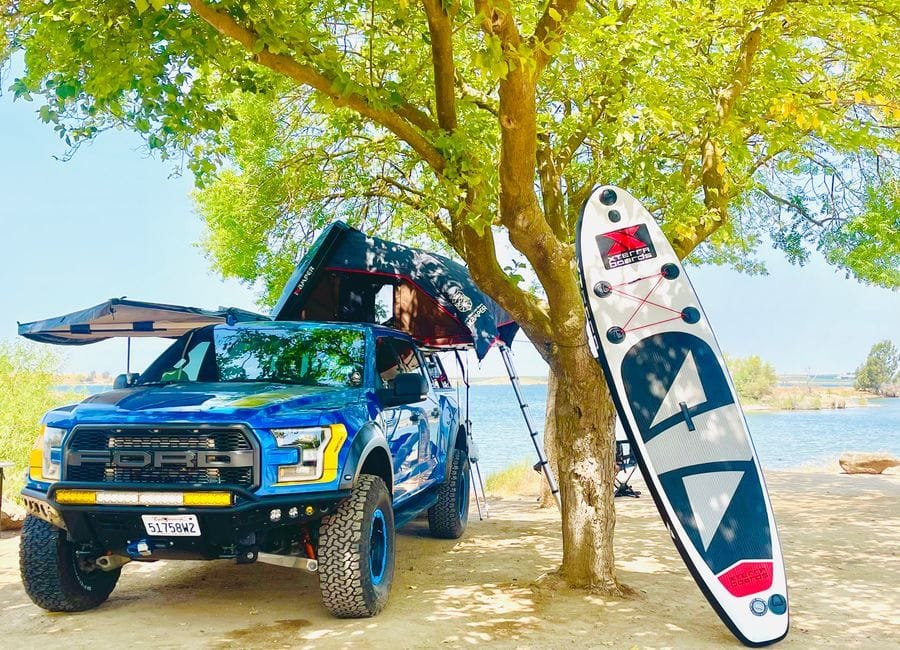
Heavy overland builds look cool, but they can be slow, squeaky, and pricey. A modular overland setup keeps your truck nimble while still feeling like home. You get real comfort, less weight, and gear that earns its spot.
Modular overland setup: dial the truck bed first
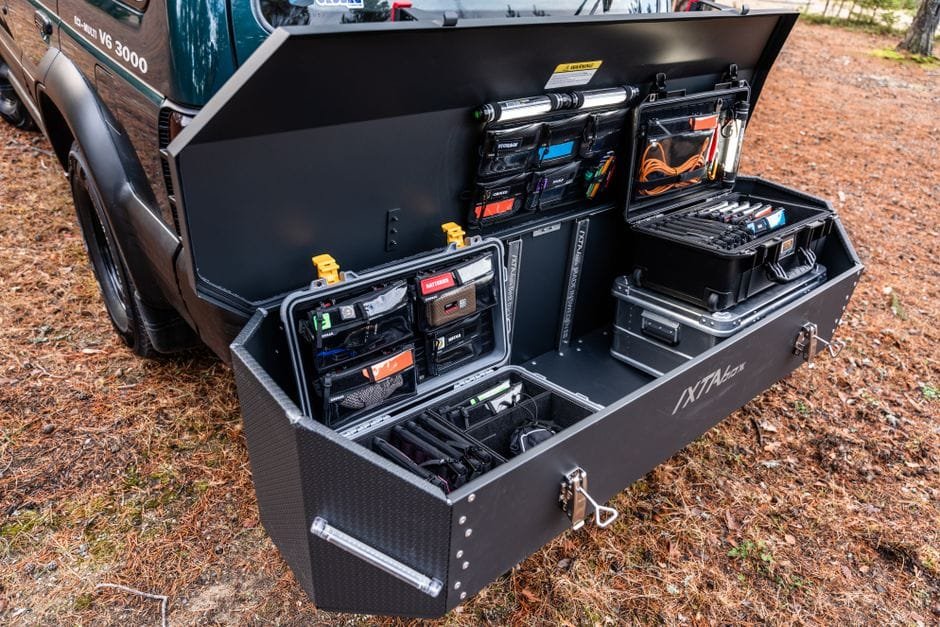
Start with the bed. Brands now offer customizable truck-bed interiors you can click together—drawers, low-friction slides, and sleeping decks that swap without drama. That means you can run a kitchen module for a weekend, then pull it for weekday hauling. No welded guilt, no sunk cost.
Focus on three boxes: sleep, cook, and power. A half-height drawer set under a flat deck covers sleep and storage. Keep it light. Plywood or honeycomb panels ride quieter than steel, and they don’t punish your suspension. Add tie-down rails or L-track so boxes and water jugs strap fast. If you upgrade later, the rails still work.
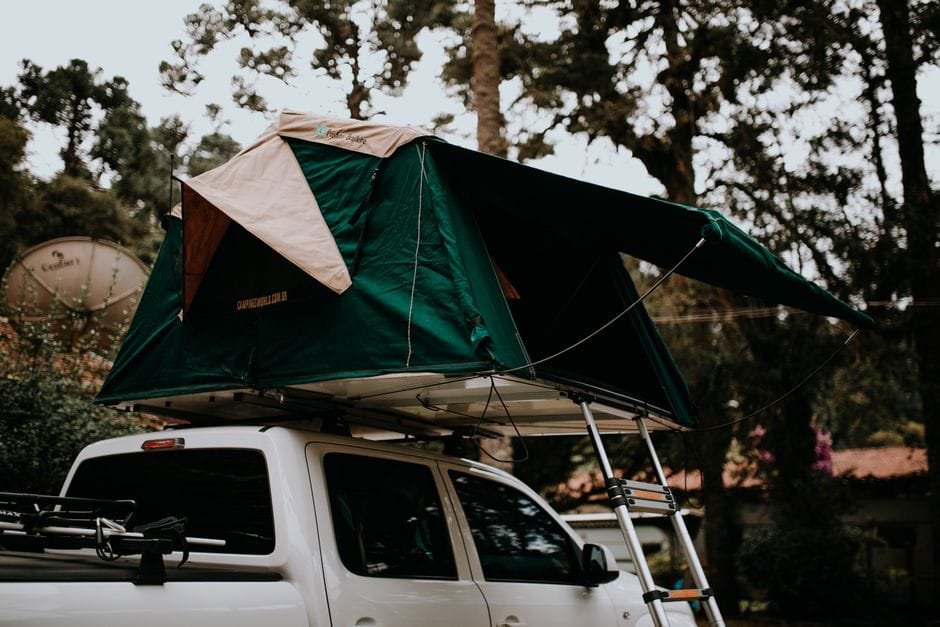
Skip the rooftop tent unless you truly love ladders. A low platform plus a good pad sleeps great, hides your gear, and keeps the center of gravity sane. Your truck will thank you on rough roads.
Minimalist essentials that last
Pack fewer things that do more jobs. A medium foam or inflatable pad, a warm quilt, and two small pillows beat a bulky mattress. Toss in a bug net if you camp humid lowlands. For shade, a simple awning off the shell edge sets up fast and weighs less than porch-style tents.
Kitchen? One small stove, a lidded pot, a cutting board, a spoon you actually like, and a tough mug. There’s a plastic backpacking mug that’s survived years of abuse in testing, which proves you don’t need double-wall titanium to enjoy coffee. Cheap, light, quiet. Tipid na, masaya pa.
Water lives in stackable jugs. They’re easier to load than a single huge tank, and you can move them around to balance weight. Use quick-disconnect spigots so you don’t bathe your drawer faces every time you pour.
Power stays simple. A small lithium power station handles lights, phones, and a laptop. Add a compact solar panel you can deploy at camp. Wire lights to a dimmer so you protect your night vision and your battery. And keep the whole system fuse-protected. No sparks, no stress.
Smart 2026 add-ons that earn their keep
New gear should solve real problems. Group trips drain batteries fast, so a shareable charging hub with multiple removable power banks is clutch. Friends borrow a brick, bring it back, no one’s deadpanning at 2% during navigation. Sobrang worth it.
For roadside camps or late runs to the loo, consider a high-visibility running vest with integrated lights. These new safety wearables boost visibility without clunky lanterns. They pack tiny and do double duty for early hikes.
Mount a low-draw camp light bar under the shell lip. It spreads soft light across the tailgate kitchen and doesn’t blind the neighbors. Add stick-on motion pucks inside drawers, because your headlamp always points the wrong way while cooking.
The rest is restraint. Choose tires that fit your stock geometry. Keep recovery gear tight and close to the cab wall. Weigh your load once, then remove 10%. Lighter rigs ride better, break less, and go more places.
Build small, iterate, repeat
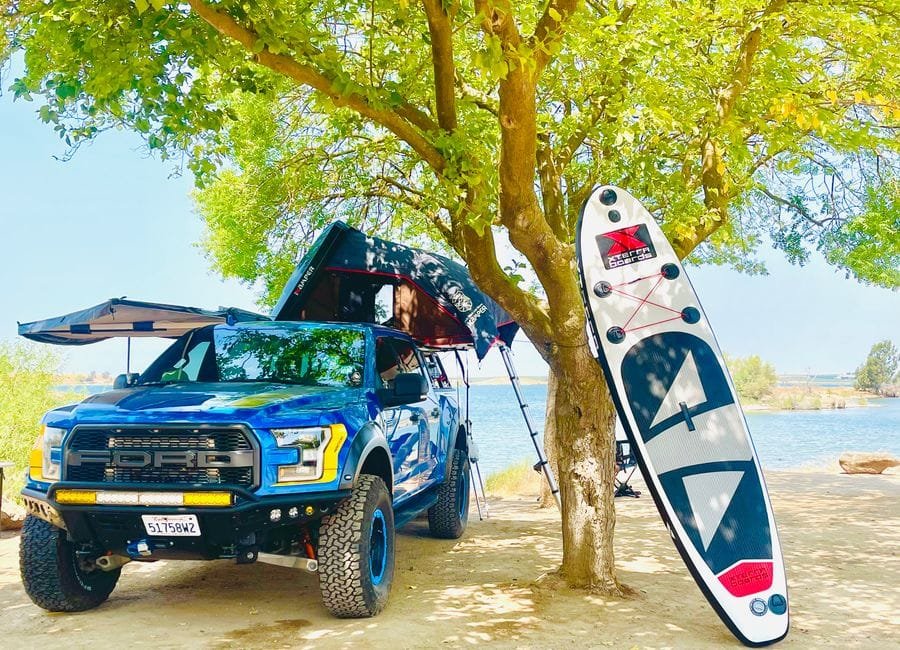
Start with the basics. Use modular pieces so your truck can be a camper on Friday and a hauler on Monday. Add smart accessories only when a real problem appears. Because good overlanding isn’t about packing more—it’s about packing right.
Sources and Further Reading
Customizable truck-bed interiors for overlanding
A durable, ultralight mug that actually lasts
Emerging 2026 gear: shareable chargers, safety wearables
Disclaimer: Product specs, availability, and local travel rules change. Check official pages before you buy or go.