
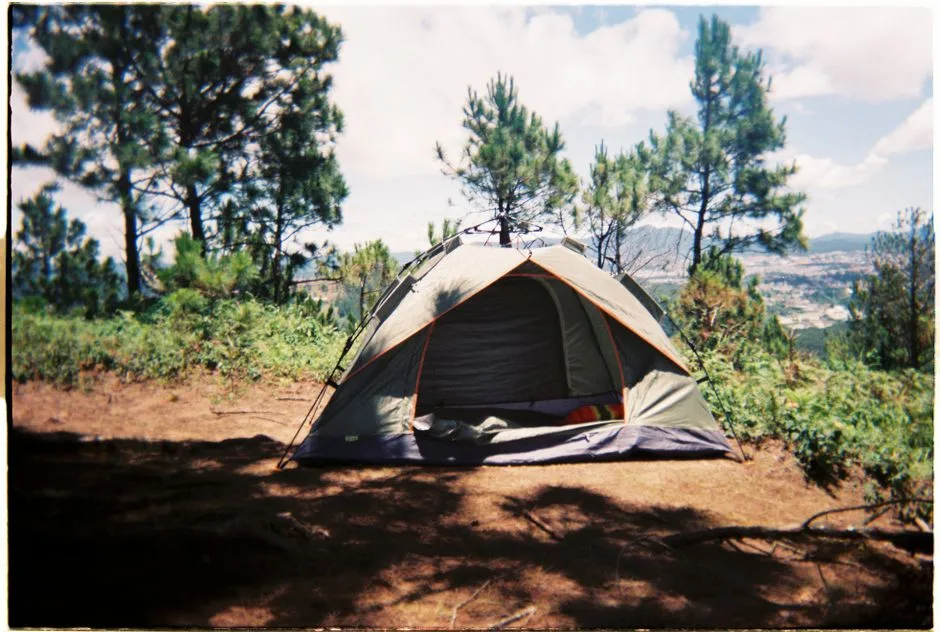
Want fresh air without ghosting your team chat? This Luzon campsites 5G list points you to spots where Globe/Smart LTE or 5G is typically reachable, so you can finish the deck before sunset and still grill hotdogs by campfire.
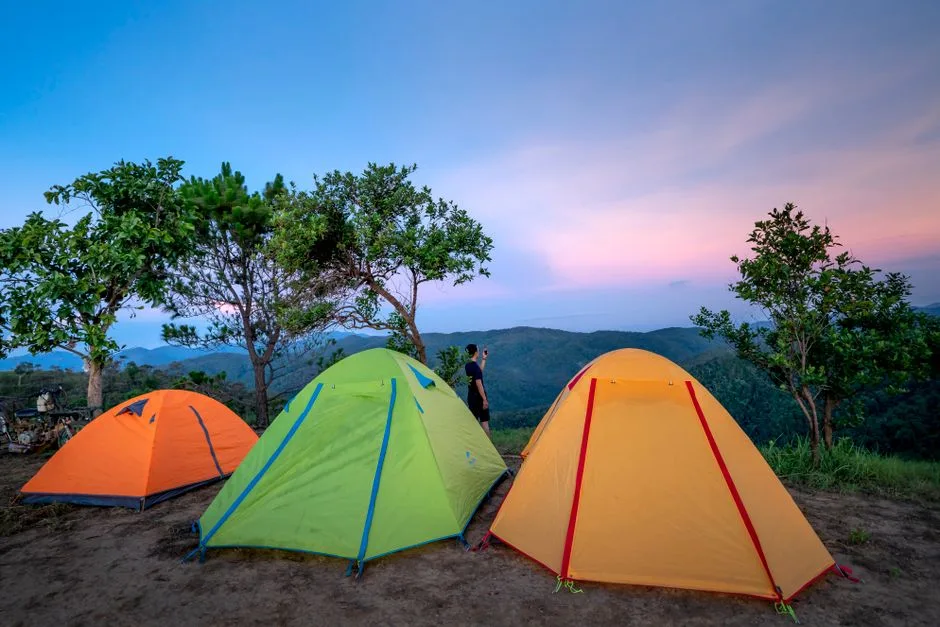
Near Metro Manila
- Antipolo Ridge Camps (Rizal) — Antipolo’s hill camps sit close to the city, often with skyline views and quick access via Sumulong Highway or Marcos Highway. LTE from both Globe and Smart is common around Antipolo’s populated barangays; 5G may appear near commercial centers—confirm with the host before booking. Pick a pitch with clean line-of-sight toward the city for stronger bars. Pro tip: ask the host for a same-day Speedtest screenshot around your meeting time.
- Tanay Sierra Madre Camps (Rizal) — Along Marilaque (Marcos Highway), Tanay’s ridge and river camps deliver sunrise-above-clouds drama. Signal along the highway is usually decent on LTE; it can drop as you go deeper into valleys. Choose sites near the main road or on ridges for more reliable data. Mount your phone high on a tripod and USB-tether to your laptop for a more stable link—Grabe yung view habang naka-call.
- San Rafael Riverside Camps (Bulacan) — About 2 to 2.5 hours via NLEX to Baliuag/San Rafael, these riverbank spots are chill but not too remote. Town centers along the Angat River corridor typically have LTE; speeds vary by distance from towers. Weekday mornings tend to be less congested for video calls. Bring a 20,000 mAh power bank and a 10–15 m extension cord if the campsite provides outlets.
- Tagaytay–Alfonso Farm Camps (Cavite) — Cool breezes, coffee stands everywhere, and farm lots that welcome tents—reachable via Aguinaldo Highway or SLEX–Santa Rosa. Expect strong LTE in and around Tagaytay proper; some 5G pockets show up around urban/commercial spots per provider lists (always confirm). Wind can savage your mic, so use a wired headset or enable noise suppression for calls. If your work is upload-heavy, test at 10 AM and 4 PM to compare stability.
South Luzon
- Nasugbu–Batulao Camps (Batangas) — Whether you lean beach or mountain, this area is 2.5 to 3.5 hours via Tagaytay–Nasugbu Road. LTE usually holds in town and along major roads; mountain shoulders can shadow your signal. Choose camps with a clear view toward Nasugbu town or along the highway corridor. Tip: lock your phone to 4G/LTE for steadier calls if your 5G keeps hopping bands.
- Calatagan Beach Camps (Batangas) — Flat shores, easy sunsets, and coastal camps you can reach via Lian–Calatagan road. LTE is typically decent near poblacion; coves vary, especially around mangroves and behind dunes. Set up away from tree clusters and big structures, and run calls facing inland to block wind. If you’re on Smart, text SIMCHECK to 5832 to confirm your SIM is 5G-ready in case you catch a stronger node in town.
- Laiya–San Juan Camps (Batangas) — Long beaches with plenty of camp-friendly lots, about 3 to 3.5 hours via SLEX–STAR Tollway toward San Juan. LTE from both networks is common near resorts; speeds dip in less developed stretches. Dual-SIM gives you options—carry both Globe and Smart if work is mission-critical. For big uploads, walk closer to the access road where signal stacks from multiple towers tend to converge.
North Luzon campsites 5G picks
- Subic–Olongapo Forest Camps (Zambales) — Easy expressway run via NLEX–SCTEX–Subic–Tipo, with forest camps and bay access. Olongapo/Subic urban areas generally have solid LTE and reported 5G pockets per published coverage lists; deeper inside the forest, expect LTE to thin out. If you need a guaranteed window, plan critical calls from town cafes or cowork spots, then head back to camp. Keep your phone shaded; overheated devices throttle data.
- San Juan, La Union Beach Camps — 5 to 6 hours via NLEX–TPLEX toward Agoo/Sevilla, then coastal road to San Juan’s surf stretch. LTE along the main strip is usually reliable; 5G pops up closer to bigger urban hubs like San Fernando per provider resources—always verify. For Zoom, cap your video at 720p and disable HD; your audio will thank you. If connection dips, switch to audio-only and record locally.
- Baguio–Itogon Pine Camps (Benguet) — Head up via Marcos Highway (or Kennon Road when open), then out toward Itogon’s ridges. Major carriers have strong coverage in Baguio City; just outside, LTE works best on ridgelines with line-of-sight to town. Pick higher ground and avoid narrow valleys for steadier bars. Nights get moist—pack silica gel for your electronics and a small microfiber to keep ports dry. Sobrang worth it kapag tahimik yung pine forest and your Slack is green.
Where to find Luzon campsites 5G by area
These areas were picked because provider resources and travel guides point to stronger urban coverage nearby (which tends to spill into adjacent camps): Metro Manila fringe (Antipolo, Tanay), Cavite/Tagaytay, Batangas corridors (Nasugbu, Calatagan, San Juan), Subic–Olongapo, La Union–San Fernando, and Baguio. Globe typically performs well in urban centers like Manila and Baguio, with provincial LTE speeds often landing around 5–12 Mbps per traveler reports. Smart’s publicly listed 5G areas have expanded since 2021; expect more sites now, but still confirm with your host and a coverage app before you go.

Quick signal checklist before you book:
- Check CellMapper for nearby towers and bands in your exact campsite area.
- Ask the host for a same-day Speedtest (DL/UL + ping) at the usual time you’ll work.
- Bring both networks if possible. Set your phone to 4G/LTE if 5G keeps flapping.
- USB-tether for stability; Wi‑Fi hotspots can drop under load.
- Carry extra power (20,000–30,000 mAh), a surge protector, and a 10–15 m extension cord.
Work-from-camp is totally doable—just prep like you mean it. Book a spot near a town center, confirm signal with the host, and pack for power. Tipid na, masaya pa.
Disclaimer: Coverage varies by exact location, device, weather, and tower congestion. Schedules, prices, and travel rules can change—confirm with the campsite and check the latest provider maps before visiting.
Sources and Further Reading
- Technobaboy — Areas with Smart 5G coverage
- Tech Pilipinas — Complete list of Smart 5G coverage areas + SIMCHECK (text 5832)
- Philippines SIM Cards & Mobile Data Guide — Globe/Smart coverage notes and typical speeds
- CellMapper — Globe tower and coverage map (crowd-sourced)
- Klook Travel Blog — Campsites near Manila
- Two Monkeys Travel — Best campsites near Manila
- Travel Up — Camping destinations near Manila
- OK Lifestyle — 15 Campsites near Manila
- Reddit r/Philippines — User reports on 5G/LTE areas
- Tripadvisor — Luzon campgrounds list